Electrical Panel Upgrades: When, Why, and What to Expect
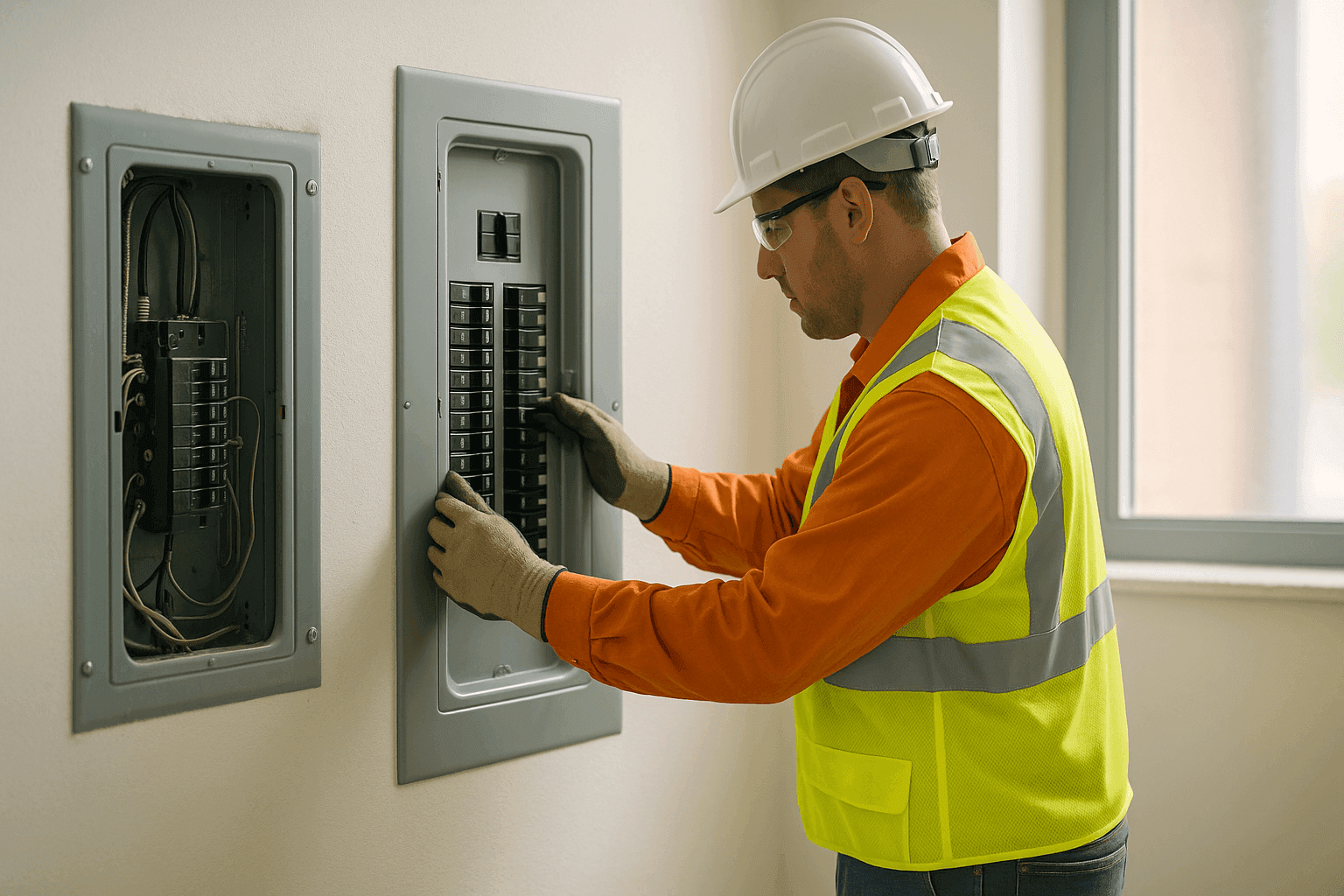
If your home or business is buzzing with new appliances, flickering lights, or tripped breakers, you’re not alone. Modern life demands more from your electrical system than ever before. At Granese Electrical, we’ve seen firsthand how an outdated panel can act like a bottleneck in a busy kitchen—slowing you down, raising risks, and stealing peace of mind.
Upgrading your electrical panel isn’t just a technical fix—it’s about keeping your space safe, efficient, and ready for whatever the future holds. Wondering if you need to upgrade, what’s involved, or how to get started? Let’s break it down step by step.
Why Upgrade Your Electrical Panel? ⚡
Think of your electrical panel as the traffic controller for your wiring and circuits. It makes sure power gets where it needs to go—safely. But as your needs grow, the old panel might not keep up. Here’s why an upgrade could be the right move:
- Renovations or Additions: Adding a new room, finishing a basement, or updating your kitchen? More space means more outlets, lights, and appliances—all drawing extra power.
- Major Appliances: Upgrading to central air, electric ovens, or tankless water heaters? These can overwhelm older panels designed for lighter loads.
- Home Automation & Smart Tech: Planning on EV chargers, smart thermostats, or whole-home automation? Modern setups need robust, future-proof wiring.
- Safety & Code Compliance: Electrical codes are updated regularly for good reason. An upgrade ensures your system meets the latest safety standards, protecting you from electrical fires and insurance headaches.
- Commercial Demands: Businesses rely on smooth, reliable power for machines, data cabling, and lighting. An outdated panel can lead to costly downtime or equipment damage.
Warning Signs and Safety Risks
Electrical panels sometimes whisper before they shout. Here are signs it’s time to pay attention:
- Breakers trip often, even when you’re not running much.
- Lights flicker or dim when appliances kick on.
- The panel feels warm or gives off a burning smell.
- You hear buzzing or crackling sounds.
- You see rust or corrosion on the panel.
- Fuses instead of breakers? That’s a red flag—modern systems use breakers for good reason.
Ignoring these signs is like ignoring a check engine light—it won’t fix itself. According to the National Fire Protection Association (NFPA), electrical distribution issues are a leading cause of home fires. Don’t wait for a close call.
Cost Factors and Budgeting 💡
Panel upgrades are an investment in safety and reliability. But what should you budget for?
Key factors that affect cost:
- Panel Size (Amperage): Upgrading from 100-amp to 200-amp (or more for commercial) costs more but supports heavier loads.
- Existing Wiring: Older wiring may need updates to match the new panel’s capacity. Aluminum or cloth-insulated wiring? Replacement is a must.
- Permits & Inspections: Local rules require them—budget for permit fees and professional inspections.
- Special Features: Want surge protection, dedicated EV charger circuits, or generator hookups? Each adds to the total.
- Accessibility: If your panel is tucked away behind drywall or outside, extra labor may be needed.
Typical ranges: Most residential upgrades fall between a few thousand dollars, while commercial jobs can run higher depending on scale and complexity. Beware of rock-bottom estimates—quality, code-compliant work always requires licensed professionals and certified materials.
The Upgrade Process Step-by-Step
Knowing what to expect makes the process smoother. Here’s how a typical panel upgrade unfolds:
1. Assessment & Planning
- A licensed electrician from Granese Electrical evaluates your current panel, wiring, and power needs.
- We discuss any future plans—EV chargers, smart home tech, or expansions—to ensure the new panel is future-ready.
2. Permits & Scheduling
- We handle all required permits, coordinating with local authorities so your upgrade meets every code.
- A date is set—usually when you can manage a short power interruption.
3. Power Down & Safety Prep
- On upgrade day, we turn off power at the main supply (and coordinate with your utility if needed).
- Safety is paramount—lockout/tagout procedures, protective gear, and code-compliant materials are standard.
4. Removing the Old Panel
- The old panel and any unsafe wiring are carefully removed.
- We inspect for hidden issues like water damage, pests, or outdated connections.
5. Installing the New Panel
- The new, appropriately sized panel is mounted.
- All wiring is connected, labeled, and checked against strict safety standards (NEC guidelines).
- Optional extras—like surge protection or generator transfer switches—are installed at this stage.
6. Inspection & Power Restoration
- A city or county inspector reviews the work, ensuring everything is up to code.
- Power is restored. We test circuits and walk you through your upgraded system.
7. Clean Up & Final Checks
- The worksite is cleaned, and all old parts are removed.
- You receive documentation for your records—helpful for insurance, resale, or future upgrades.
Preparing for Service Disruption 🕒
No one likes going without power, but a panel upgrade means planning for a short outage. Here’s how to make it easier:
- Notify your household or staff: Let everyone know the date and expected downtime—typically 4–8 hours for most jobs.
- Backup essentials: Charge phones, laptops, and medical devices ahead of time.
- Protect perishables: Minimize fridge and freezer opening; consider coolers for longer jobs.
- Business considerations: Schedule upgrades during off-peak hours to reduce impact on operations.
For critical operations (like medical equipment or computer servers), discuss temporary power options with your electrician.
Residential and Commercial Considerations
- Homes: Upgrades can support new appliances, home offices, or backyard amenities like pools and spas.
- Businesses: Higher capacity panels are crucial for machinery, lighting, and data infrastructure. Planning ahead avoids costly downtime.
- Future-Proofing: Smart home tech, solar panels, or backup generators? Ask about panels designed to handle evolving needs.
Practical Tips for a Smooth Upgrade
- Hire licensed, insured electricians: Never trust your safety to a handyman or unlicensed operator.
- Check materials: Insist on code-compliant breakers and panels with clear labeling.
- Understand your warranty: Quality panels come with manufacturer warranties—keep documentation handy.
- Inspect regularly: Even after an upgrade, routine safety inspections (per NFPA or local guidelines) keep your system in top shape.
Frequently Asked Questions
How often should an electrical panel be replaced?
Most panels last 25–40 years, but heavy use, renovations, or safety concerns can shorten that window. If in doubt, schedule a safety inspection.
Do I need a bigger panel if I want to install an EV charger?
Usually, yes. EV chargers draw significant power. A licensed electrician can assess your capacity and recommend a suitable upgrade.
Can I upgrade the panel myself?
No. Panel upgrades require permits, specialized tools, and code knowledge. DIY attempts can void insurance or cause serious injury.
Will I need to upgrade wiring too?
Sometimes. If your wiring is outdated or undersized, it may need replacement to match the new panel’s capacity.
Local and Seasonal Considerations 🌦️
Storm season, extreme heat, or aging infrastructure can strain panels. Consider upgrades before peak demand—especially if you rely on backup generators or sensitive equipment. For commercial sites, plan around busy seasons to minimize disruptions.
References
- National Fire Protection Association (NFPA)
- National Electrical Code (NEC) guidelines
- Your local building and safety department
Ready to take the next step toward a safer, more reliable electrical system?
Call Granese Electrical now — or reach us anytime at 855-506-4858 .