Backup Generators: Costs, Sizing, and Key Installation Tips
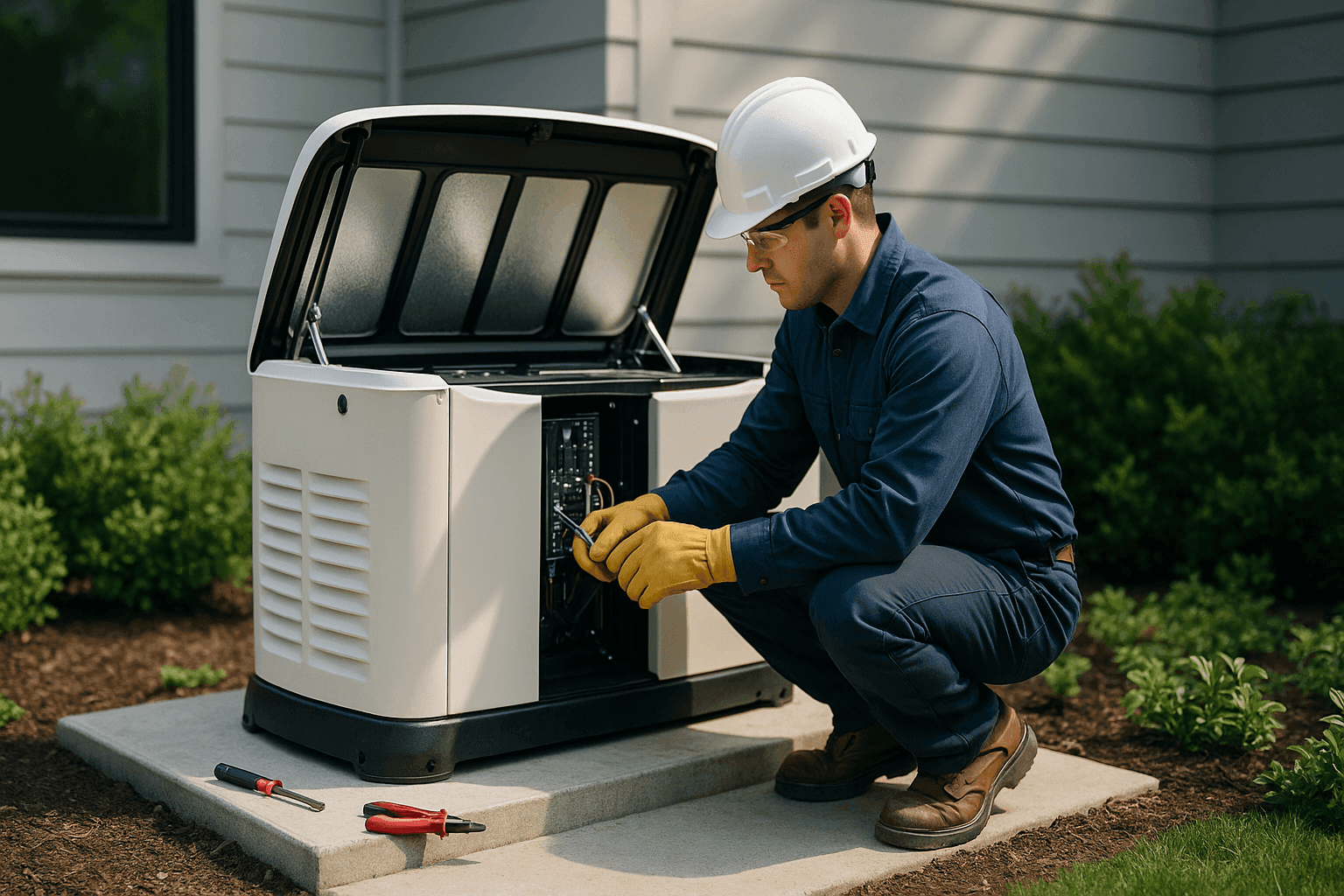
When the lights go out, life stops. That’s true for families, and even more so for businesses with critical equipment or data. Power outages aren’t just an inconvenience—they’re a threat to comfort, safety, and productivity. Granese Electrical knows what’s on the line, and we’re ready to help you safeguard what matters most.
Backup generators offer peace of mind that’s hard to price. But if you’re considering one, you probably have questions: Is it worth it? How big does it need to be? What will it really cost? And, most important—how do you make sure it’s safe and code-compliant? Let’s break it down.
Why Invest in a Backup Generator? ⚡
Picture this: The wind howls, lightning cracks, and suddenly your house plunges into darkness. Or, in a busy office, computers flicker off and phones go silent. Weather, equipment failures, or grid overloads can hit without warning.
A backup generator acts like an umbrella in a thunderstorm—it keeps you dry while the world outside gets soaked.
For homeowners:
- Keeps refrigerators running, saving food from spoiling
- Powers essential medical equipment (think oxygen machines, CPAPs)
- Maintains lighting, heating, and security
For businesses:
- Prevents lost revenue from downtime
- Protects sensitive data and servers
- Keeps security and fire safety systems online
Some industries—healthcare, food service, IT—simply can’t afford to risk outages. And with storms and wild weather on the rise, more homes are choosing to add this extra layer of security.
Understanding Generator Sizing
Buying the wrong generator is like buying shoes that don’t fit—too small and you’re left unprotected; too large and you’re wasting money.
Sizing depends on:
- The total wattage your essential systems need (appliances, lights, HVAC, sump pumps, etc.)
- Whether you want to back up your entire property or just the basics
- Your property’s unique electrical demands
Common guidelines:
- Small homes: 5,000–8,000 watts covers basics (fridge, sump, a few lights)
- Medium homes: 10,000–15,000 watts adds heat/AC, more outlets
- Large homes/businesses: 20,000+ watts for whole-building coverage, including commercial-grade equipment
Tip:
List every device you want powered during an outage. Add up the starting and running watts—many appliances (like fridges and pumps) need more power to start than to run. The U.S. Department of Energy and National Fire Protection Association (NFPA 110) provide safety guidelines on generator installation and sizing.
A licensed electrician from Granese Electrical can help you calculate the right size, factoring in your wiring & circuits, voltage requirements, and local codes.
Upfront and Ongoing Costs
Let’s talk numbers. Backup generators are an investment, but the cost of going without—lost food, business, or safety—can be higher.
Upfront costs include:
- Generator unit: $2,000–$10,000+ depending on size and type (portable vs. standby)
- Professional installation: $2,500–$7,500 for wiring, transfer switches, permitting, and code compliance
- Ancillary materials: Concrete pads, weatherproofing, fuel storage (for propane, diesel, or natural gas units)
Ongoing expenses:
- Fuel: Propane, diesel, or natural gas (usage varies by generator size and outage frequency)
- Regular maintenance: Annual servicing, oil/filter changes, battery checks—typically $300–$500/year
- Testing and inspections: Recommended every 6–12 months to keep things reliable
Hidden costs to watch for:
- Permit fees (required by nearly all municipalities)
- Upgrades to panels or wiring & circuits near you, especially in older properties
Remember, professional installation by a licensed electrician ensures safety, code compliance, and avoids costly mistakes that DIY work can bring.
Installation Process Explained
Getting your backup generator up and running isn’t a plug-and-play job. Here’s how the process unfolds with Granese Electrical:
1. Site assessment:
We inspect your property—inside and out. We look at panel capacity, wiring & circuits, and the best spot for the generator (considering ventilation, noise, and code setbacks).
2. Sizing and design:
We calculate your wattage needs and design a system that fits. This includes transfer switches and fuel connections.
3. Permitting:
We handle all permits and ensure the installation meets National Electrical Code (NEC) and local safety standards.
4. Installation:
Our licensed electricians handle every step—mounting, wiring, grounding, and integrating with your main panel.
5. Testing:
Once installed, we run test cycles to guarantee everything works. We’ll walk you through operation and maintenance basics.
Practical tips:
- Choose a location that’s dry, accessible, and at least five feet from windows or doors.
- Make sure your generator is protected from flooding and snow buildup.
- Always use a transfer switch—never back-feed a generator into your home’s wiring.
Maintenance and Emergency Preparedness 🔧
A generator isn’t “set it and forget it.” Like a car, it needs regular exercise and checkups.
Maintenance checklist:
- Start and run your generator monthly—even if there’s no outage
- Check fuel levels and quality (replace old or stale fuel)
- Inspect air filters, spark plugs, and oil
- Test transfer switch operation
- Schedule annual professional inspections
Seasonal triggers:
Storm season? Test your system before hurricanes, blizzards, or heat waves arrive. Don’t wait for the first outage to find out there’s a problem.
Emergency readiness:
Keep extra fuel stored safely (and away from ignition sources). Know your generator’s shutdown procedure. Always keep your electrician’s contact info handy for fast troubleshooting.
Key Safety and Compliance Considerations
Safety isn’t optional. Improper installation can risk shock, fire, or carbon monoxide poisoning.
- Only use generators that are UL-listed or meet national safety standards
- Install carbon monoxide detectors near generator locations
- Never operate a generator indoors or in attached garages
- Follow all local codes and NEC guidelines for wiring & circuits and transfer switches
- Hire a licensed electrician for all installations and repairs
Reference:
The Electrical Safety Foundation International (ESFI) and NFPA both recommend hiring licensed professionals for generator work.
FAQs About Backup Generators
How often should my generator be serviced?
At least once a year—or more often if it runs frequently. Monthly test runs are smart, too.
Can I install a generator myself?
Not recommended. Electrical code, safety, and fuel plumbing are complex and risky for DIY. Always use a licensed electrician.
What fuel type is best?
Depends on local availability and your needs. Natural gas is convenient for homes with existing service; propane and diesel offer flexibility for remote locations.
How long will my generator last?
Most standby generators last 10–20 years with proper maintenance.
Preparing for Seasonal Outages 🌪️
Storms, heat waves, and grid overloads strike hardest when you least expect it. Don’t wait for the next blackout—plan ahead.
- Schedule a generator checkup before peak weather seasons
- Review your emergency power needs annually as your home or business grows
- Replace batteries in carbon monoxide and smoke detectors regularly
The Value of Professional Installation
The difference between a smooth transition and a dangerous situation is often a matter of expertise. Licensed electricians do more than hook up wires—they ensure your safety, code compliance, and peace of mind. With Granese Electrical, you get a team that stands behind every installation, from initial design to ongoing maintenance.
Call Granese Electrical now — or reach us anytime at 855-506-4858 .