How to Troubleshoot Common Electrical Problems at Home or Work
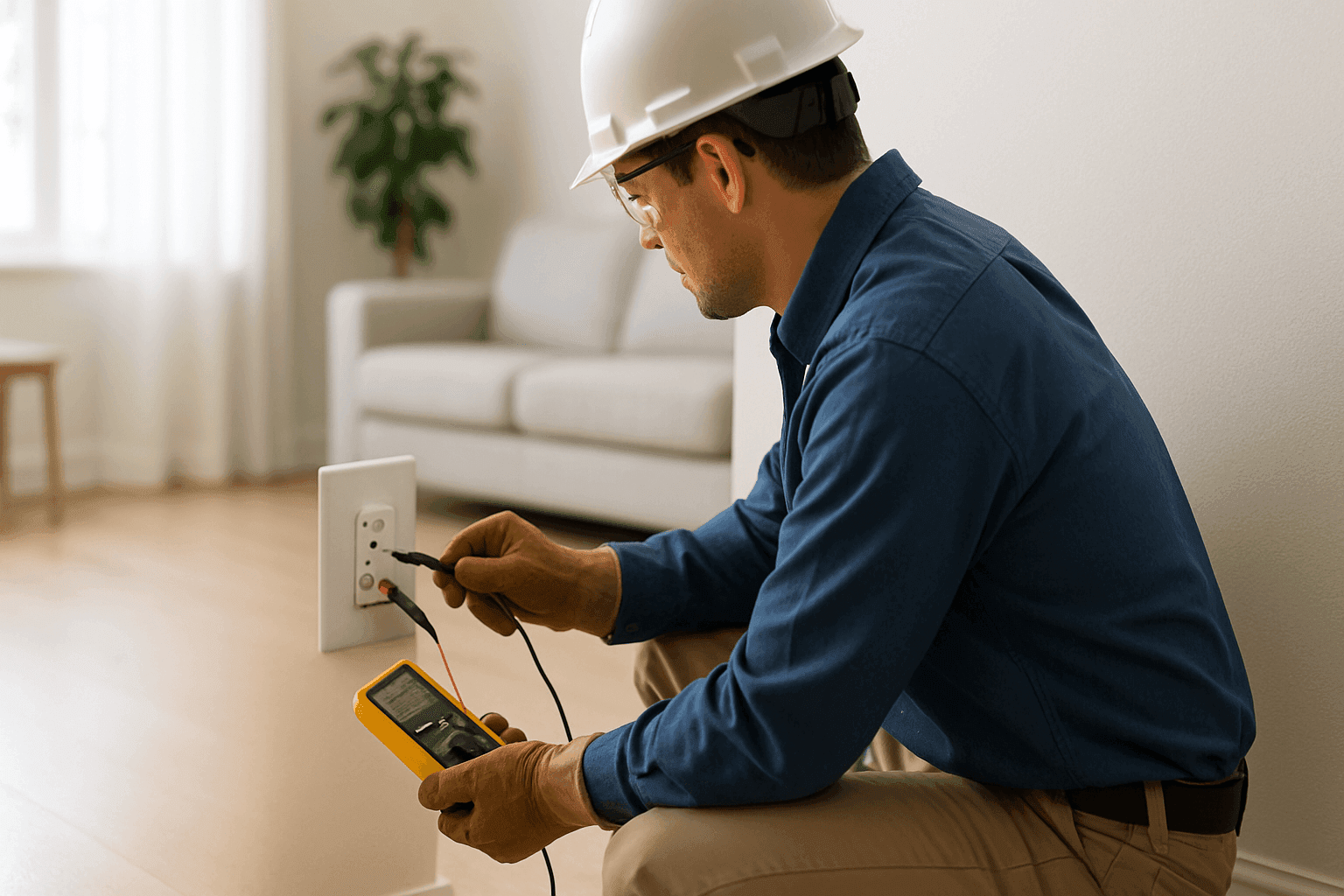
Electricity keeps your home humming and your workplace running. But when something goes wrong, it can feel like the lights—not to mention your plans—just flickered out. At Granese Electrical, we know how frustrating (and sometimes scary) electrical problems can be.
Whether it’s a dead outlet in the kitchen, a breaker that won’t stay on, or flickering lights in the conference room, you need answers fast. And above all, you want to stay safe. Let’s walk through the most common electrical hiccups, what you can safely check, and when it’s time to bring in an electrician.
Identifying the Most Common Electrical Problems ⚡
Electrical troubles don’t always announce themselves with sparks and smoke. Sometimes, it’s the small annoyances that signal bigger concerns. Here are the issues we see most often at Granese Electrical:
- Tripped Circuit Breakers: Suddenly, half the house or a string of offices goes dark. The culprit? Usually a circuit breaker that’s flipped off due to overload or a short.
- Dead Outlets or Switches: That outlet you always use for your coffee maker? Silent. Switches no longer responding? This can point to wiring issues, tripped Ground Fault Circuit Interrupters (GFCIs), or even internal damage.
- Flickering or Dimming Lights: Like a ghostly movie scene, but it’s just your dining room. This often means loose connections, aging wiring, or overloaded circuits.
- Frequent Bulb Burnouts: If you’re constantly changing bulbs, it’s not just bad luck. Over-voltage, faulty fixtures, or poor wiring could be at play.
- Buzzing Sounds or Warm Wall Plates: Any unusual noise or heat from outlets, switches, or breaker panels is a red flag. That’s a sign of an underlying wiring or circuit problem.
Why Do These Happen?
- Overloaded Circuits: Plugging too many devices into one outlet or circuit.
- Old or Damaged Wiring: Time, rodents, and renovations can all take their toll.
- Faulty Appliances: Sometimes the problem starts at the plug.
- Moisture: Bathrooms, kitchens, and outdoor outlets are especially vulnerable.
- Loose Connections: Vibration, age, or poor installation can cause wires to wiggle free.
Safety First: What Not to Touch
Before you reach for a screwdriver, remember—electricity demands respect. Even a “simple” fix can turn dangerous in seconds.
Never attempt the following:
- Opening your electrical panel if you’re untrained
- Touching exposed wires or terminals
- Working on outlets or switches while the power is on
- Repairing high-voltage systems or main service lines
What you CAN do safely:
- Check Your Breakers: Look for any breakers that have tripped (switched to the middle or “off” position). Reset by flipping all the way off, then on.
- Test GFCI Outlets: Kitchens, bathrooms, garages, and outdoors often have GFCI outlets. Press “reset” if the indicator light is off.
- Unplug Devices: If a device is causing the breaker to trip, unplug it before resetting.
- Look, Don’t Touch: If you see scorch marks, melted plastic, or smell something burning—stop and call an electrician.
Step-by-Step Troubleshooting for Outlets, Breakers, and Lights
Let’s break it down. Here’s what you can do before you pick up the phone:
1. Tripped Circuit Breakers
- Head to your electrical panel. Most are in basements, garages, or utility rooms.
- Check for any breaker sitting in the “off” or middle position.
- Firmly switch it off, then back on.
- If it instantly trips again, leave it off and call an electrician—something deeper is wrong.
2. Dead Outlets
- Plug in a lamp or small appliance to confirm the outlet is truly dead.
- For GFCI outlets, press the “reset” button and see if power returns.
- If several outlets are dead, check the breaker panel.
- Still out? Time to call an electrician. The cause could be loose wires, a bad outlet, or a failing circuit.
3. Flickering Lights
- Try tightening the bulb (once the light is off and cool).
- Swap for a new bulb; LED and CFLs can be sensitive to voltage changes.
- If multiple lights flicker, check if large appliances are running at the same time. Overloaded circuits can cause dips.
- Persistent flickering? That’s a job for a professional. Loose wiring or overloaded circuits are dangerous.
4. Warm or Buzzing Switches/Outlets
- Turn off the breaker supplying the outlet or switch.
- Don’t use the outlet again until it’s inspected by a licensed electrician.
When to Call a Professional
Sometimes, a problem is too risky or complex for DIY. Call an electrician immediately if:
- Breakers keep tripping with nothing plugged in
- You see or smell burning, smoke, or melted plastic
- Outlets or switches are hot, discolored, or buzzing
- Lights dim when appliances turn on
- You hear humming from the breaker panel
- Any electrical issue in a wet area (bathroom, kitchen, outdoors)
- You have aluminum wiring, old knob-and-tube, or suspect damage from a recent renovation or rodent activity
Remember, electricity can be as unpredictable as a thunderstorm. Don’t gamble with your safety.
Preventing Future Problems 🛡️
A little prevention goes a long way. Here’s how you can reduce your risk:
- Don’t Overload Circuits: Use power strips with surge protectors. Avoid “daisy chaining” extension cords.
- Schedule Regular Electrical Safety Inspections: Especially in older homes or commercial properties.
- Replace Damaged Cords and Outlets: Frayed wires and cracked plates are open invitations for trouble.
- Install Arc-Fault and Ground-Fault Protection: These devices can catch dangerous conditions before they spark a fire.
- Keep Water Away: Never use extension cords or appliances near water.
- Label Your Electrical Panel: Make sure you (and anyone else) can quickly identify which breaker controls what.
For businesses: Have a schedule for electrical maintenance and safety checks. Granese Electrical can help design and maintain a plan tailored to your equipment and facility.
What Sets Granese Electrical Apart
We’re not just about fixing problems—we’re about preventing them. Our team is fully licensed and certified, following national and state electrical codes (like the National Electrical Code, or NEC) for every job. We use only quality tools and components, and our electricians are trained to spot hidden hazards others might miss.
Frequently Asked Questions
How dangerous is it to reset a breaker myself?
If you’re simply flipping the breaker back on, it’s generally safe—just make sure your hands are dry and you’re standing on a dry surface. If the breaker trips again or you see/smell anything unusual, stop and call an electrician.
Can I replace an outlet or switch myself?
Basic outlet or switch replacements can be DIY for those comfortable shutting off the correct breaker and using the right tools. But if you’re ever unsure, or if wires look damaged or discolored, call a professional. Incorrect installation can cause shocks or fires.
Why do my lights flicker only when it rains?
Moisture might be getting into your wiring, especially if you have outdoor fixtures or old wiring. This is an urgent situation—contact an electrician right away.
Is aluminum wiring safe?
Aluminum wiring is more common in homes built in the 1960s and 70s. It can be safe if properly maintained, but connections can loosen over time and pose a fire risk. Regular inspection by a professional electrician is crucial.
Local and Seasonal Considerations
In stormy or humid climates, power surges and moisture intrusion are common. Have backup generators tested by a professional before hurricane or winter storm season. In older homes, electrical systems may not handle today’s appliance loads—consider an upgrade to stay safe and efficient.
Final Thoughts
Electrical problems can range from mildly annoying to outright dangerous. Knowing what’s safe to check—and when to call for help—can save you time, money, and peace of mind. Granese Electrical is here 24 hours a day, ready for emergencies, repairs, upgrades, and everything in between.
Call Granese Electrical now — or reach us anytime at 855-506-4858 .