Electrical Safety Inspections: What Homeowners and Businesses Need to Know
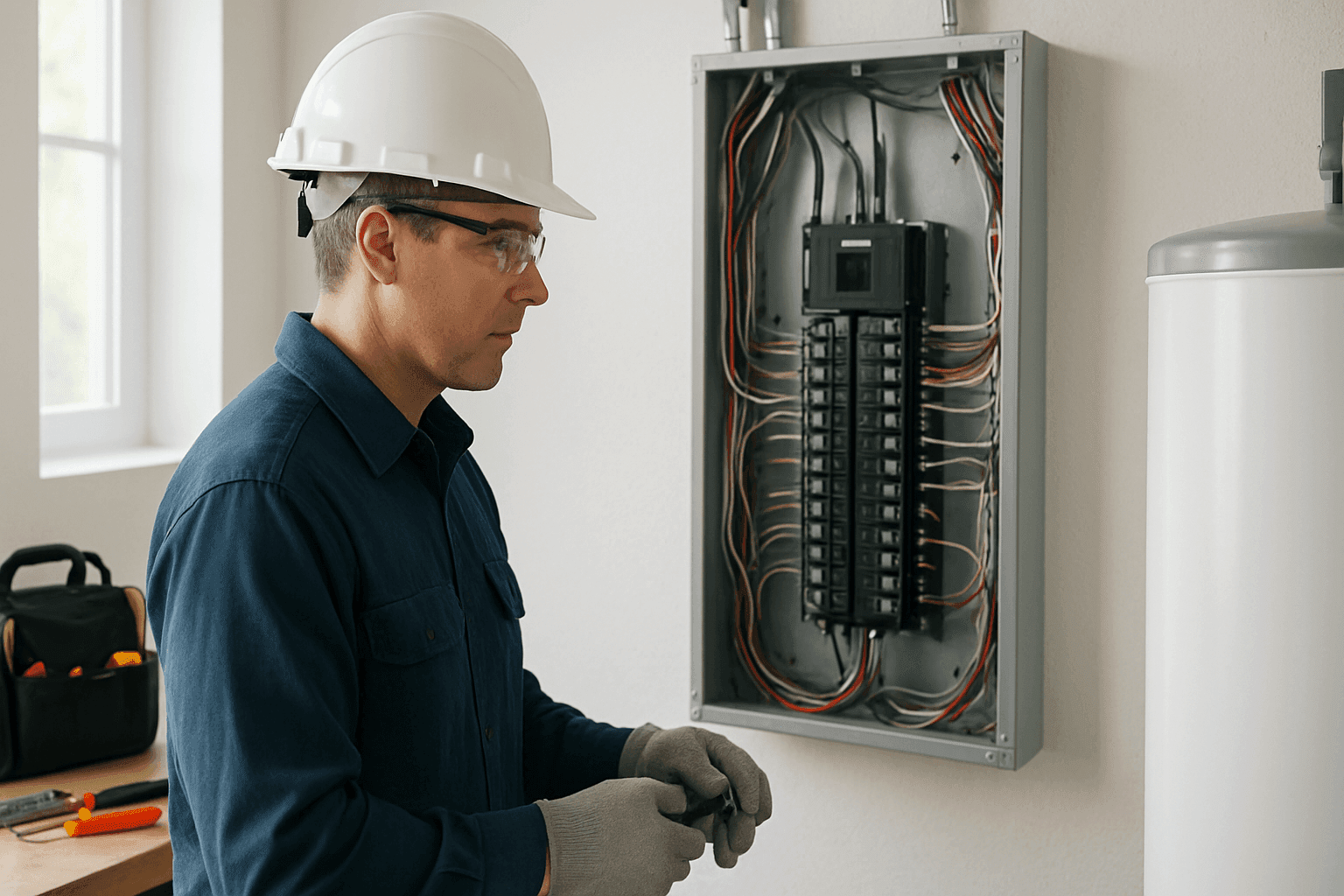
Are you sure your home or business is free from hidden electrical dangers? Most people never think of their wiring until the lights flicker or a breaker trips. But like a silent leak, small electrical faults can grow into major headaches—or even disasters.
At Granese Electrical, we know electrical safety isn’t about luck. It’s about routine checks, up-to-date systems, and peace of mind. Whether you’re a homeowner, landlord, or business manager, your safety depends on more than just flipping a switch.
Why Electrical Safety Inspections Matter ⚡
Imagine your electrical system as the veins and arteries of your building. When they’re healthy, everything runs smoothly. But when something’s blocked or frayed, the results can be catastrophic. The National Fire Protection Association (NFPA) reports that electrical faults are a leading cause of house fires. And for businesses, a shorted circuit can mean lost revenue, failed safety audits, or worse.
Inspections catch issues before they escalate:
- Overheated wires that could spark a fire
- Outdated panels that can’t handle modern appliances
- Hidden code violations from past DIY fixes
- Faulty detectors that don’t warn you in time
Neglecting inspections is like driving with a blindfold. You hope for the best, but risk comes with every step.
Common Hazards Identified During Inspections 🛑
What kind of problems do professional electricians spot? Here are the usual suspects:
- Frayed or damaged wiring hidden behind walls
- Overloaded circuits, especially in older homes and retrofitted offices
- Outdated fuse boxes or undersized breaker panels
- Improperly installed outlets or switches
- Water intrusion in outdoor or basement electrical systems
- Faulty smoke or carbon monoxide detectors
- Ungrounded outlets—especially risky in kitchens and bathrooms
- DIY wiring or amateur repairs that don’t meet code
These aren’t just technicalities. Each hazard is a real risk to safety, property, and compliance.
Inspection Checklist for Homes and Businesses
No two inspections are exactly alike. Still, a thorough electrician will cover these essentials:
For Homes:
- Panel and breaker evaluation
- Outlet and switch testing
- GFCI and AFCI verification (especially in kitchens, baths, garages)
- Smoke and CO detector checks
- Grounding and bonding confirmation
- Visible wiring and cable inspection
- Surge protection assessment
- Exterior and damp-location wiring review
For Businesses:
- All of the above, plus:
- Emergency lighting and exit signs
- Machine wiring, if applicable
- Backup generator or UPS system checks
- Data, phone, and network cabling
- Compliance with OSHA and local codes
- High-voltage system safety (where present)
- Motor control system inspection
The difference? Business inspections often need to meet stricter standards. There’s more riding on uptime, legal compliance, and employee safety.
What to Expect from a Professional Inspection
A professional electrician arrives with more than tools—they bring trained eyes and deep knowledge. Here’s what usually happens:
- Initial Walkthrough: You’ll discuss any known issues, recent renovations, or problem areas.
- Panel & System Assessment: The electrician checks load, age, and condition of your main panel, breakers, and disconnects.
- Outlet & Switch Testing: Using specialized testers, they check for proper wiring, grounding, and function.
- Detector & Alarm Review: All smoke, carbon monoxide, and security devices are tested for response and placement.
- Wiring Inspection: Where accessible, wires are checked for damage, overheating, or outdated materials.
- Code Compliance Review: The electrician notes any code violations or outdated installs.
- Report & Recommendations: You’ll receive a clear, written report—often with photos—explaining what’s safe, what needs work, and what should be monitored.
Granese Electrical’s licensed and insured team follows the National Electrical Code (NEC) and local standards. We don’t just spot problems—we explain what they mean, so you can make informed decisions.
Frequency and Timing: When Should You Schedule an Inspection? 📅
There’s no “set it and forget it” with electrical safety. Here’s when to call for a checkup:
- New Home or Business Purchase: Always inspect before you buy.
- Before Major Renovations: Upgrades can overload old wiring.
- After Major Storms or Floods: Water and electricity never mix.
- If You Notice Flickering Lights, Hot Outlets, or Tripped Breakers: These are not normal.
- Every 3–5 Years for homes, Annually for businesses or rental properties.
- For Insurance or Safety Certificates: Some policies require proof of inspection.
Certain triggers—like seasonal humidity, a local code update, or new equipment—may also prompt a visit.
How to Prepare for an Inspection
Make the most of your inspection with a little prep:
- Clear Access: Move furniture from panels, outlets, and major appliances.
- List Concerns: Jot down any odd smells, noises, or places you’ve noticed trouble.
- Gather Documentation: Past inspection reports, renovation permits, or appliance manuals help.
- Secure Pets and Kids: Inspections can involve open panels and tools.
- Expect Power Interruptions: Some tests may require turning off circuits briefly.
Being ready saves time and helps your electrician focus on what matters most—your safety.
Long-Term Benefits: Safety, Compliance, and Peace of Mind
Regular inspections aren’t just a box to check. They’re an investment in your future:
- Reduce risk of fire and shock
- Avoid costly emergency repairs
- Keep insurance valid and premiums low
- Catch small problems before they become big ones
- Stay compliant with changing codes and standards
Think of inspections as an annual checkup for your property. It’s not just about passing today’s test, but building confidence for years to come.
Trusting the Right Electrician Matters
Electrical work isn’t a guessing game. Always choose a licensed, insured electrician who:
- Follows the latest NEC and local codes
- Stays current with safety training
- Provides clear, written reports
- Is prepared for both residential and commercial systems
Granese Electrical’s team is committed to safety, transparency, and ongoing education. We never cut corners—your well-being is too important.
Ready to Schedule Your Inspection?
Don’t wait for a warning sign. Protect your home, your business, and everyone inside. Electrical safety inspections are the first step.
Call Granese Electrical now — or reach us anytime at 855-506-4858 .